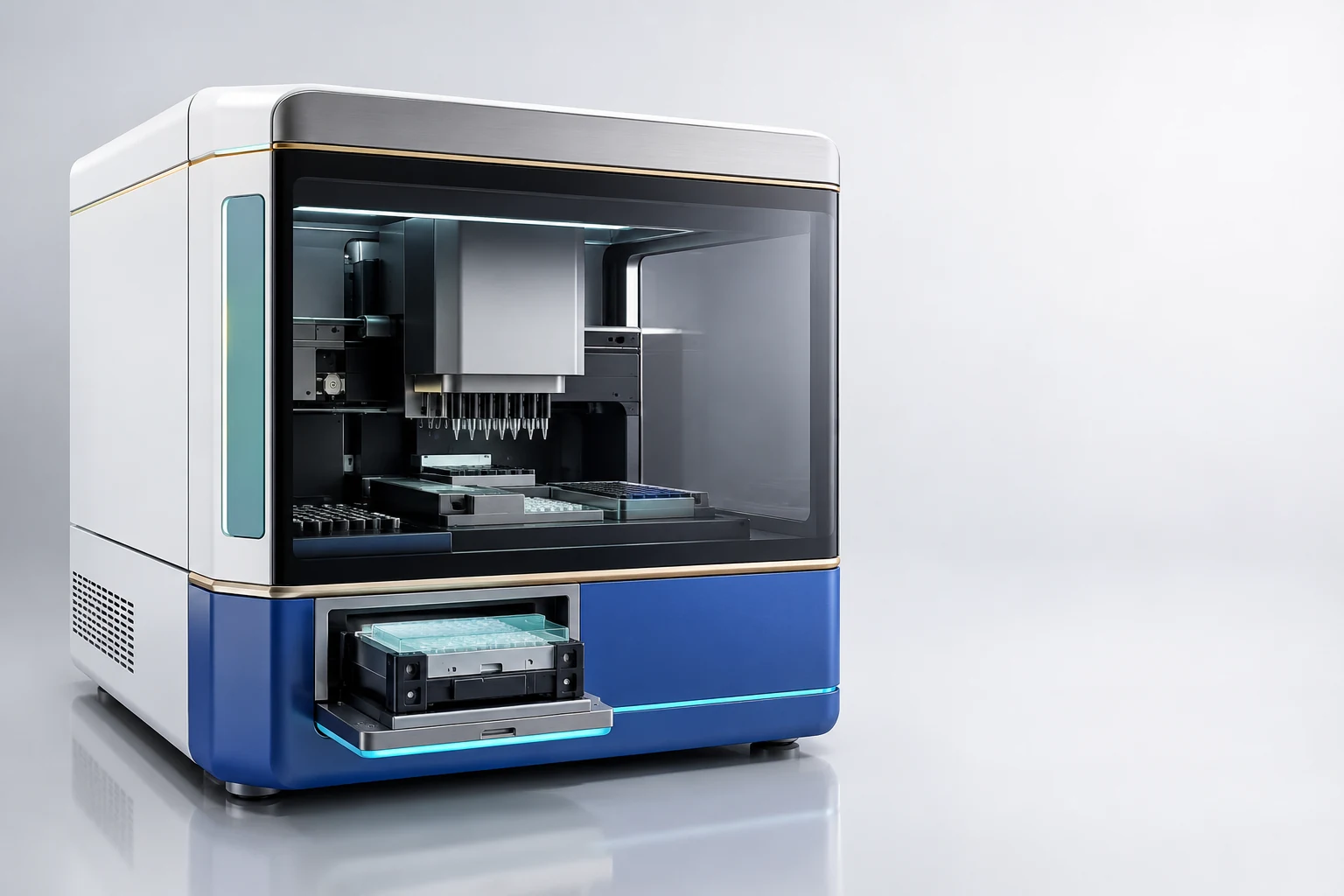
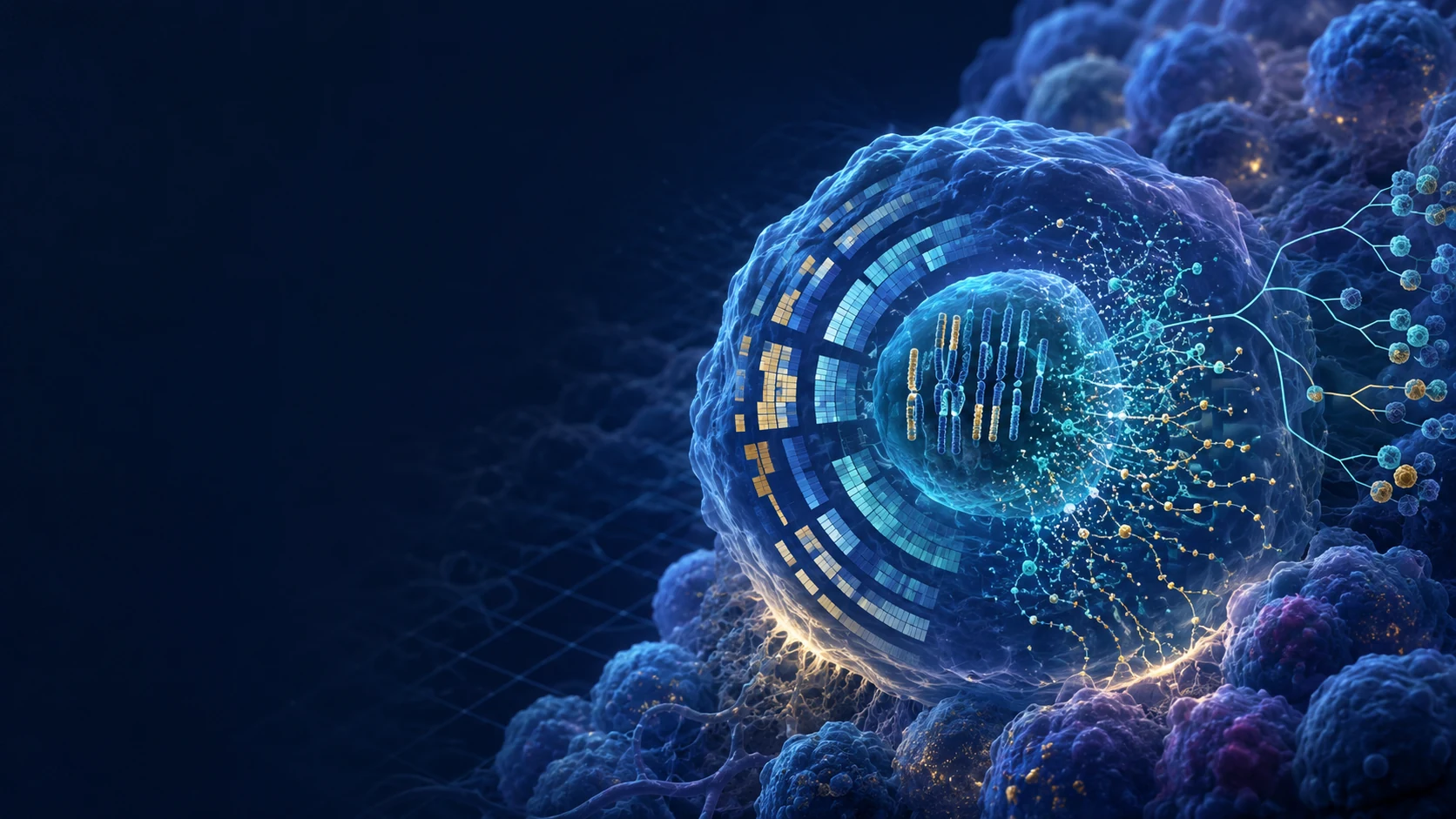

Single-cell genomics concept visual, not a microscopy measurement

SINGLE-CELL TUMOR EVOLUTION

One cell.
A clearer view of
tumor evolution.

From clonal clues in archived tissue to DNA and RNA in the same cell. Connect the samples you have to the questions that matter.

Arc-wellwellDR-seqTwo sample pathways. One clonal perspective.
Research concept visual · not experimental data
BUILT ON PUBLISHED RESEARCH

Traceable scientific evidence

40,330Arc-well · cells analyzed in the study33,646wellDR-seq · cells analyzed in the study
The studies use different specimens; these counts are not commercial delivery totals.

ONE RESEARCH CONTINUUM

Not a stack of assays.
A connected chain of evidence.

Move from specimen to workflow to insight, organizing material, molecular layers and validation into one readable, discussable research path.

Research concept visual connecting pathology, single cells and molecular informationResearch concept visual · not experimental data
  1. 01

    Specimen & time

    Start with archival FFPE, fresh tissue or existing data, then define material constraints and the study timeline.

  2. 02

    DNA & clones

    Use single-cell CNA profiles to compare clonal composition, shared events and changes across time points.

  3. 03

    DNA + RNA & state

    In suitable fresh tissue, directly pair genetic subclones with expression states from the same cell.

  4. 04

    Context & validation

    Plan tissue localization, cohort review or functional work around candidate findings and the next testable step.

Not every project requires every layer. Methods, sample requirements and deliverables are agreed around the research question.

TWO METHODS. ONE RESEARCH CONTINUUM.

From clonal structure
to cellular state.

Two sample pathways, preserving genomic information at single-cell resolution.

ARCHIVAL SINGLE-CELL DNA

Arc-well

Retrospective research

Recover single-cell copy-number alteration (CNA) profiles from formalin-fixed, paraffin-embedded (FFPE) tissue and compare clonal structure across time.

Cell 2023 · Archival single-cell DNA

Explore the method
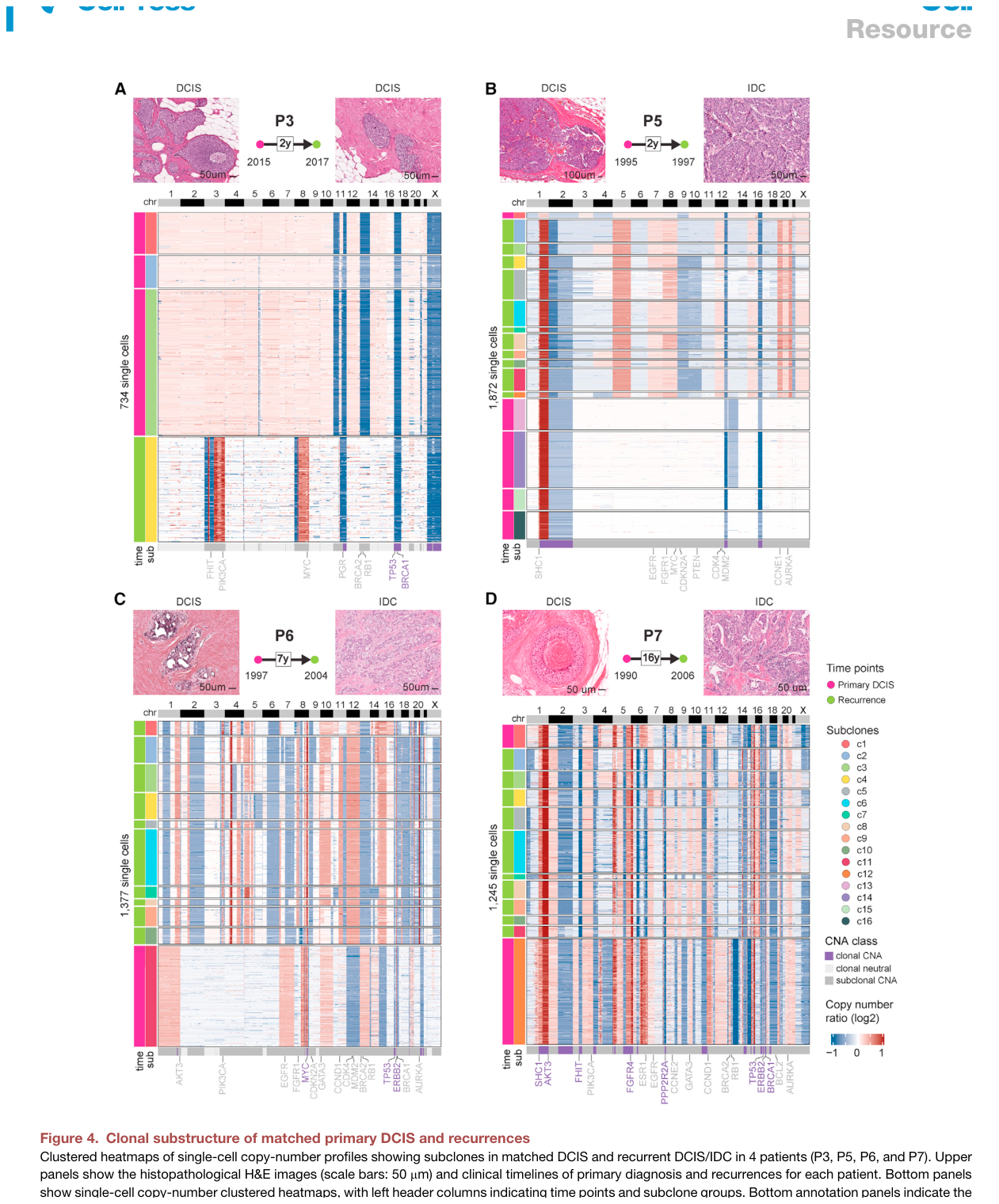
Arc-well · Published research figure

SAME-CELL DNA + RNA

wellDR-seq

Know the clone.
Understand its state.

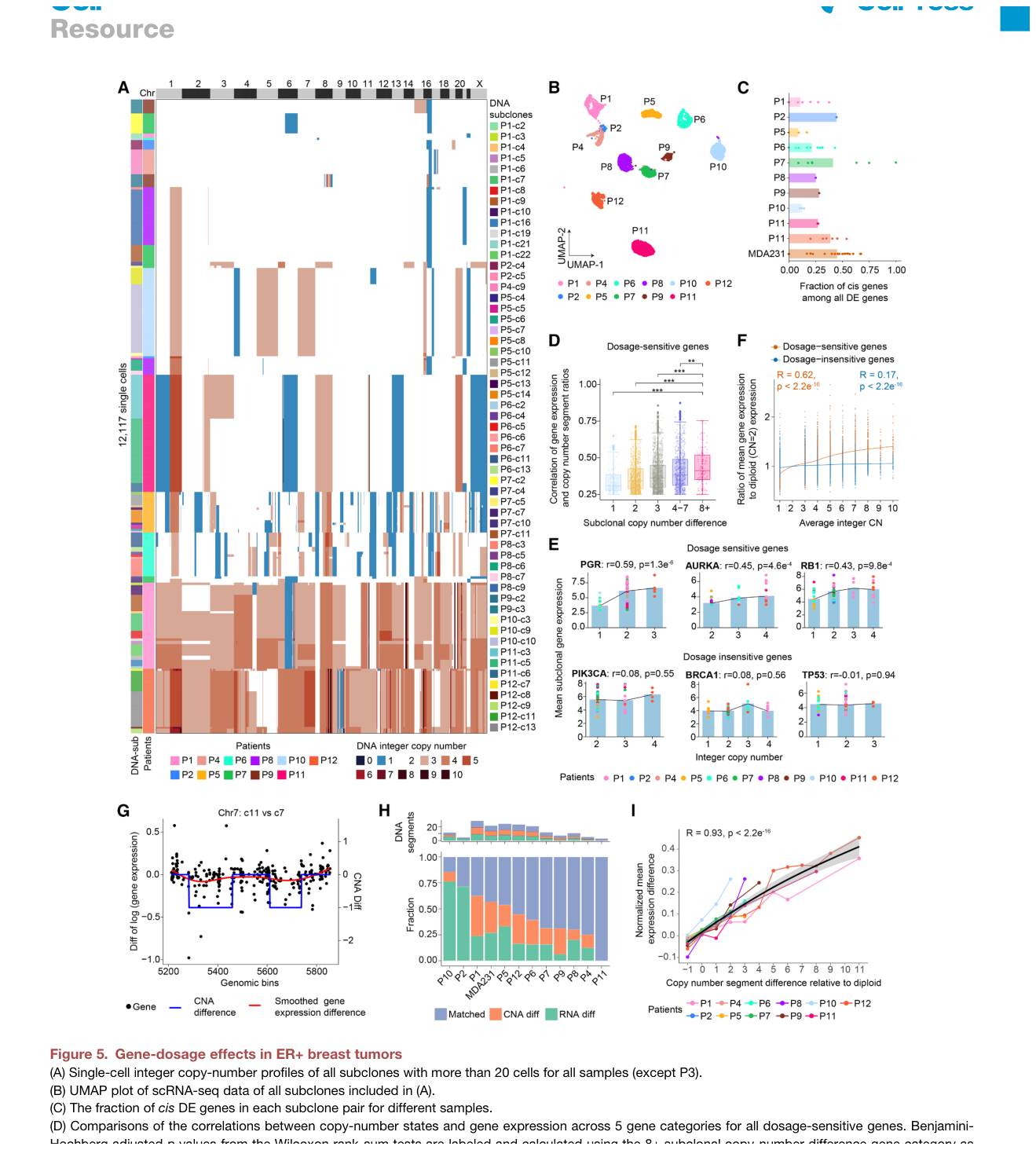
Measure DNA copy number and RNA expression in the same cell, pairing genomic subclones with transcriptional programs in assessed fresh-tissue studies.

Cell 2025 · Paired genotype and phenotype

Explore the method
wellDR-seq · Published research figure

FIND YOUR STARTING POINT

Your sample types

Start with the specimen and the question, then select the technology.

ARC-WELL

Revisit tissue with a clinical timeline.

For primary–recurrence, pre/post-treatment or longitudinal material. Review archive age, tissue availability, tumor content and nuclear quality before scaling a paired cohort.

Explore next steps
WELLDR-SEQ

Pair clone identity and expression in the same cell.

For subclone phenotypes, gene-dosage associations and origin hypotheses. Agree collection and transport first; archived FFPE is not assumed to support the same-cell DNA+RNA workflow.

Explore next steps
STUDY DESIGN

Identify the missing layer in your existing data.

With existing scRNA, bulk or spatial data, begin with the question and validation plan. Integrating separate assays does not create directly measured same-cell pairs.

Explore next steps

WHY CLONAL RESOLUTION

Distinguish what is measured from what can be inferred, and organize the study around testable questions.

01

Measure DNA copy number

Single-cell CNA supplies genomic evidence for clone analysis, complementing bulk averages and RNA-based inference.

02

Keep the same-cell pairing

wellDR-seq retains paired DNA and RNA measurements, allowing transcriptional states to be compared between genomic clones.

03

Carry findings into validation

Move from clonal structure to candidate genes, spatial localization, cohort replication and functional experiments—not just heatmaps.

BIOINFORMATICS

Bioinformatics analysis

Clones, cellular states and tissue context.
Different perspectives on your research question.

Explore analysis

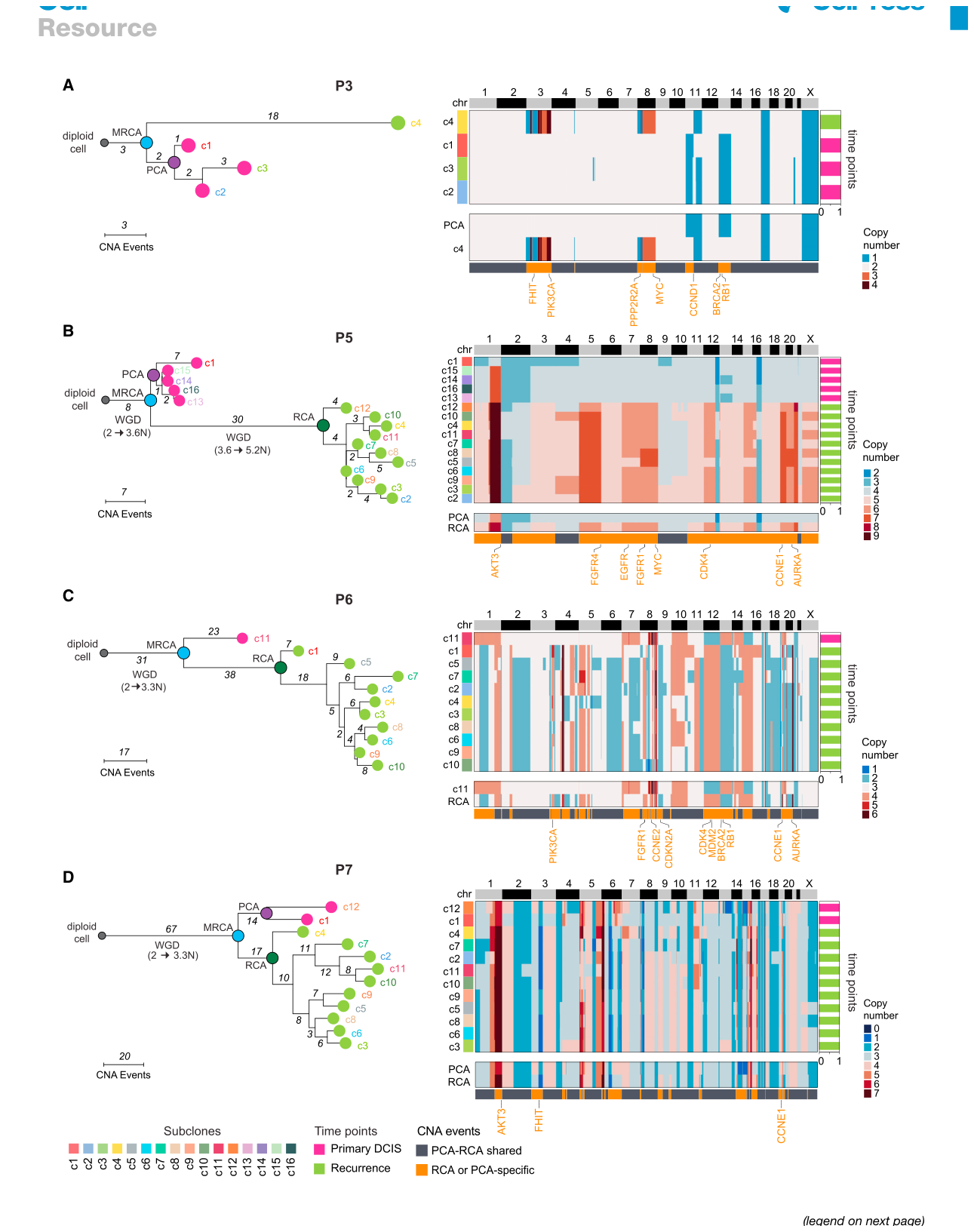
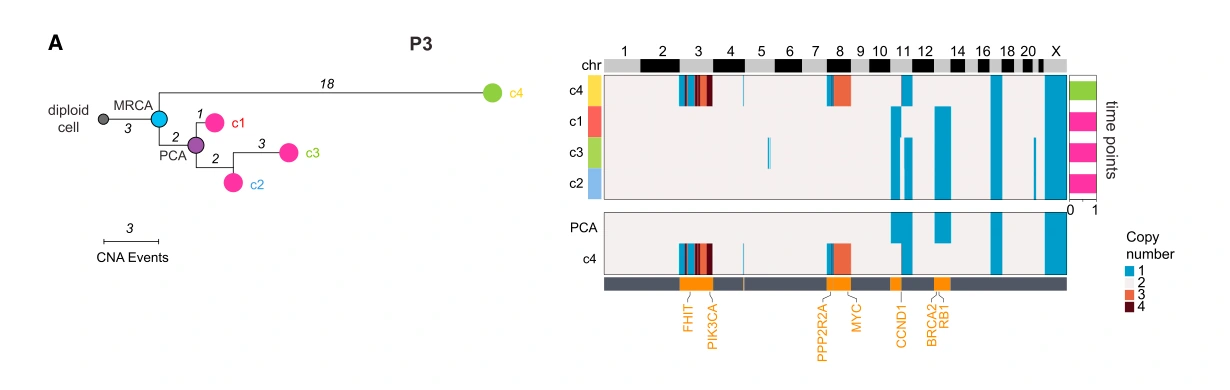
Wang et al., Cell 2023 · Figure 5A

DNA · CLONAL STRUCTURE

Compare clonal structures and evolutionary patterns.

Start with single-cell copy-number profiles to compare subclones, shared events and changes across research time points.

  • CNA profiles and subclones
  • Clonal composition and shared events
  • Evolution in a pathology timeline
Explore the analysis & application

Example: CNKINGBIO single-cell brochure · page 2

RNA · CELLULAR STATES

Resolve cell types and within-population differences.

Connect cell-type identification with marker expression, composition and differential analysis to study cellular states.

  • Embeddings and marker expression
  • Composition and heterogeneity
  • Pathway enrichment and candidate programs
Explore the analysis & application

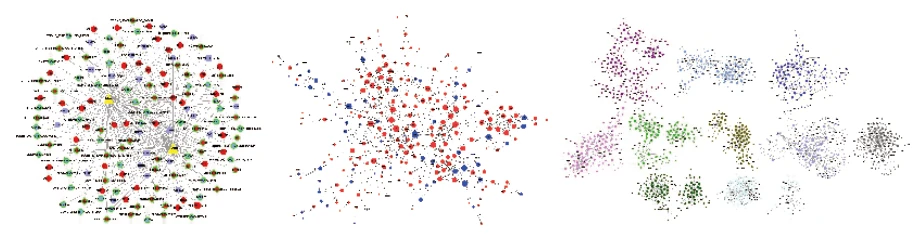
Example: CNKINGBIO spatial brochure · page 2

SPACE · TISSUE CONTEXT

Place cellular information back into tissue.

Interpret cell types, regional differences and neighborhoods in tissue coordinates, with clonal integration planned around matched material.

  • Tissue regions and cell distributions
  • Spatial heterogeneity and neighborhoods
  • Integration of matched datasets
Explore the analysis & application

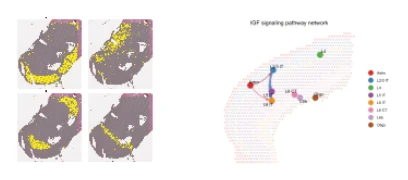
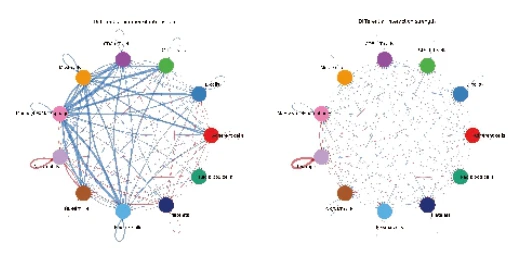
Example: CNKINGBIO single-cell brochure · page 2

NETWORKS · CANDIDATE MECHANISMS

Connect state differences to candidate regulation.

Use cell relationships, communication and regulatory-network analysis to prioritize questions for follow-up mechanistic work.

  • Cell relationships and trajectories
  • Cell communication
  • Regulatory networks and candidate factors
Explore the analysis & application

FROM PUBLICATIONS TO YOUR QUESTION

Two studies.
Two ways to open a question.

See what the methods have shown in published studies, then explore how they fit your samples.

View the evidence
CELL 2023 · FIGURE 4

CELL 2023 · FIGURE 4

What clonal clues persist at recurrence?

Paired primary and recurrent FFPE samples combine histology, timelines and CNA profiles to investigate persistent subclones.

Read the study
CELL 2025 · FIGURE 5

CELL 2025 · FIGURE 5

Which DNA subclone carries an expression program?

Same-cell DNA+RNA enables comparison of copy number and expression, supporting candidate mechanisms for follow-up experiments.

Read the study

RESEARCH APPLICATIONS

Turn a finding
into the next study.

Connect retrospective cohorts to spatial and functional validation. Exploratory directions require study-specific assessment.

Explore six study directions
01

Recurrence & treatment pairs

Compare clonal composition across time to investigate persistence and treatment-associated selection.

View the study approach
02

Clones in their spatial context

Relate candidate clones to tissue regions and neighboring cells, supported by in situ validation.

View the study approach
03

Clones & organoid validation

Compare clones across model establishment and perturbation to explore candidate mechanisms—a collaborative study direction.

View the study approach

FROM SAMPLE TO INSIGHT

Sample-to-result workflow

A coordinated process, from collection planning to result interpretation.

Review sample preparation
  1. 01

    Discuss the question

    Define the question, available material and research goals.

  2. 02

    Confirm the study

    Agree on methods, controls, study scope and deliverables.

  3. 03

    Collect & dispatch

    Prepare and label material using the agreed collection plan.

  4. 04

    Sample quality check

    Check metadata and tissue, cell or nuclear quality.

  5. 05

    H&E & region review

    Review tissue regions for pathology or spatial studies as needed.

  6. 06

    Run the experiment

    Prepare samples and libraries, then sequence using the agreed assay.

  7. 07

    Analyze the data

    Review QC, clones, expression and relevant spatial associations.

  8. 08

    Deliver & discuss

    Deliver agreed datasets and figures, then discuss interpretation.

THREE LAYERS OF SIGNAL

One question.
Three scales of evidence.

Move from clonal structure to cellular state and tissue context. Each layer has a defined data basis and a route to the next validation step.

Single-cell CNA clonal lineage research figureWang et al., Cell 2023 · Figure 5A
01

DNA · CLONAL STRUCTURE

Clonal structure

First ask: what is it?

Use cell-level DNA copy number as genomic evidence to compare subclones, shared events and evolutionary relationships across time points.

Explore Arc-well evidence
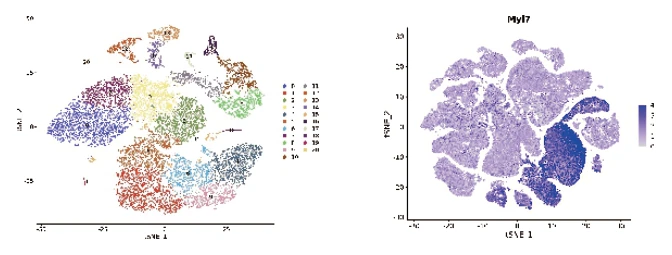
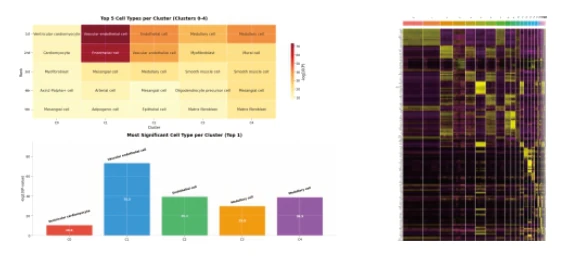
Single-cell transcriptomic cell-atlas exampleExample: supplied single-cell sequencing material · page 2
02

RNA · CELLULAR STATE

Cellular state

Then ask: what is it doing?

Study cell identity, expression differences and candidate programs; same-cell DNA + RNA studies can further connect state to clonal identity.

Explore single-cell analysis
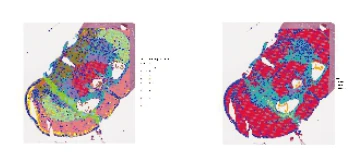
Spatial transcriptomic cell-type distribution exampleExample: supplied spatial transcriptomics material · page 2
03

SPACE · TISSUE CONTEXT

Tissue context

Finally ask: where does it happen?

Return cell types, tissue regions and neighborhoods to spatial coordinates, then plan cross-data integration or in-situ validation around matched material.

Explore spatial analysis

Figures illustrate analysis layers, not results from a current project. Applicable data, analysis and validation are agreed per study.

BEYOND A SINGLE ASSAY

From research services
to reusable tools.

Developing reagents, automation modules and data tools around sample preparation, nanowell dispensing and imaging, library construction and analysis.

CORE KITSARCELL OneINSIGHT / ATLAS
Explore the development roadmap
ARCELL One concept system

LET’S BUILD YOUR STUDY

Start with a question worth answering.

Bring your sample type, research question and existing data. Let’s find the right starting point.

Plan your study