BIOINFORMATICS & DATA INTERPRETATION

Bioinformatics analysis

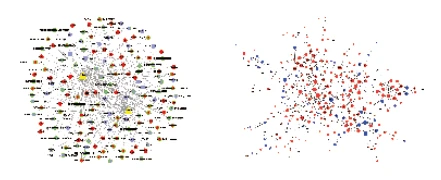
From clonal structure to cellular states and tissue context: organize data, figures and interpretation around the research question.

BIOINFORMATICS

Bioinformatics analysis

Clones, cellular states and tissue context.
Different perspectives on your research question.

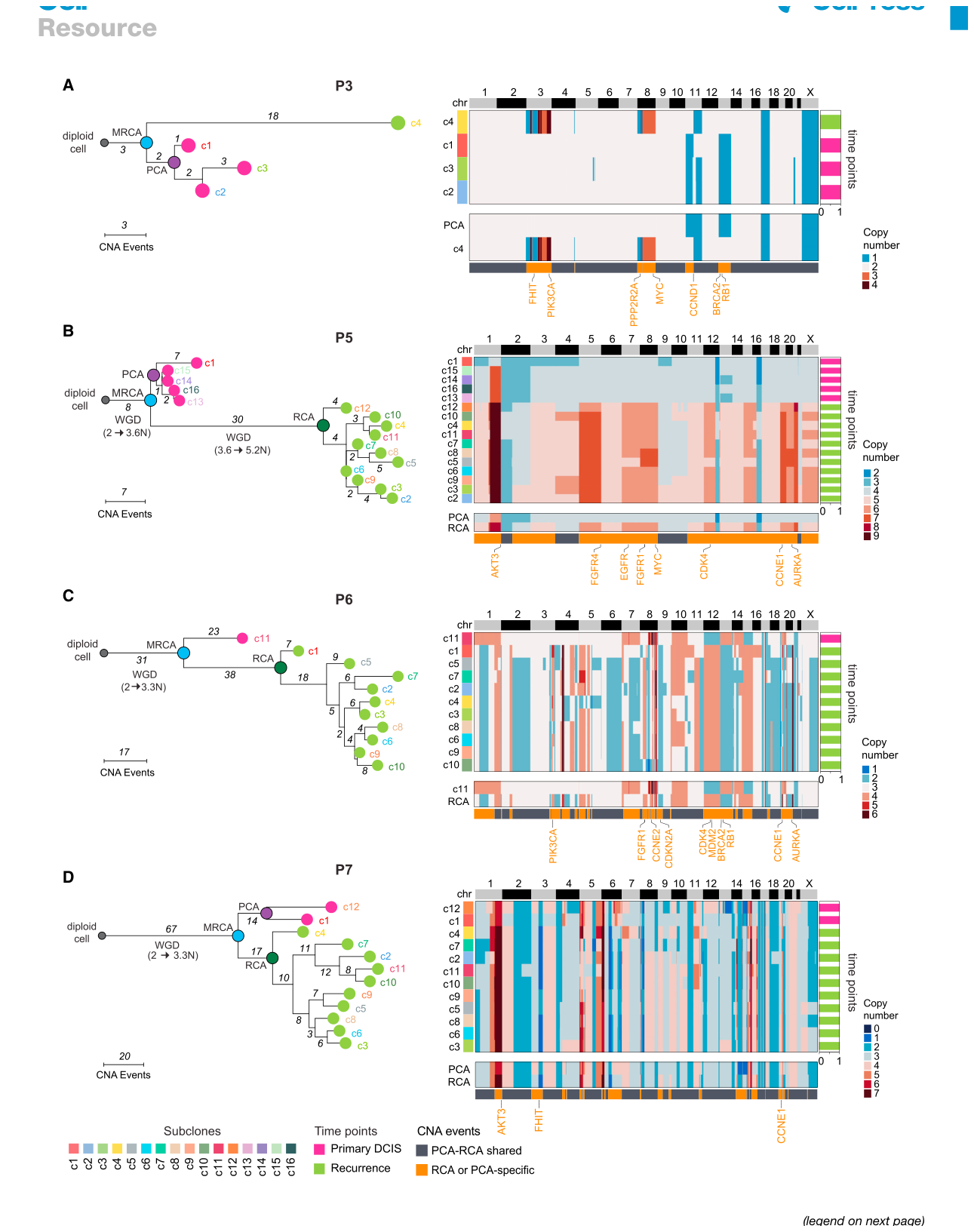
Wang et al., Cell 2023 · Figure 5A

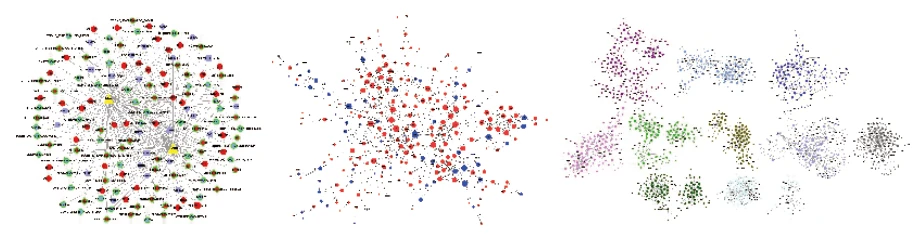
DNA · CLONAL STRUCTURE

Compare clonal structures and evolutionary patterns.

Start with single-cell copy-number profiles to compare subclones, shared events and changes across research time points.

  • CNA profiles and subclones
  • Clonal composition and shared events
  • Evolution in a pathology timeline
Explore the analysis & application

Example: CNKINGBIO single-cell brochure · page 2

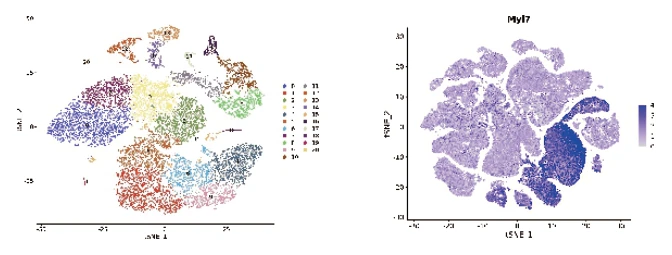
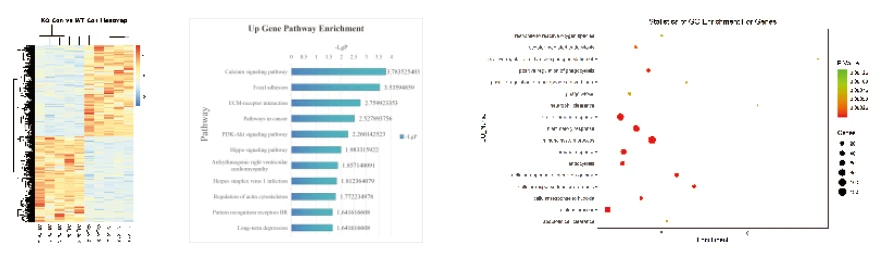
RNA · CELLULAR STATES

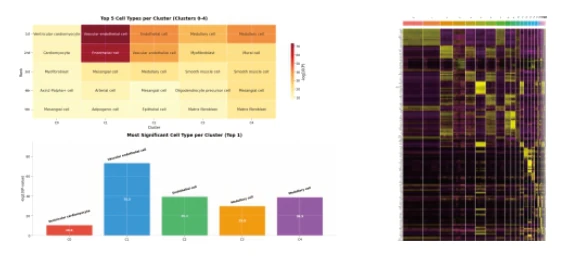
Resolve cell types and within-population differences.

Connect cell-type identification with marker expression, composition and differential analysis to study cellular states.

  • Embeddings and marker expression
  • Composition and heterogeneity
  • Pathway enrichment and candidate programs
Explore the analysis & application

Example: CNKINGBIO spatial brochure · page 2

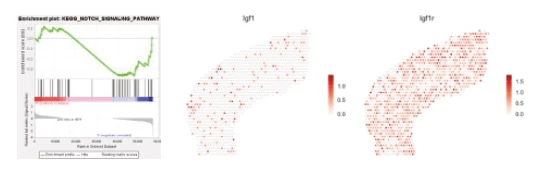
SPACE · TISSUE CONTEXT

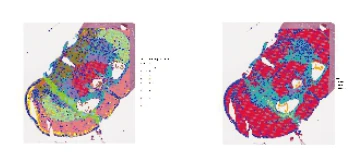
Place cellular information back into tissue.

Interpret cell types, regional differences and neighborhoods in tissue coordinates, with clonal integration planned around matched material.

  • Tissue regions and cell distributions
  • Spatial heterogeneity and neighborhoods
  • Integration of matched datasets
Explore the analysis & application

Example: CNKINGBIO single-cell brochure · page 2

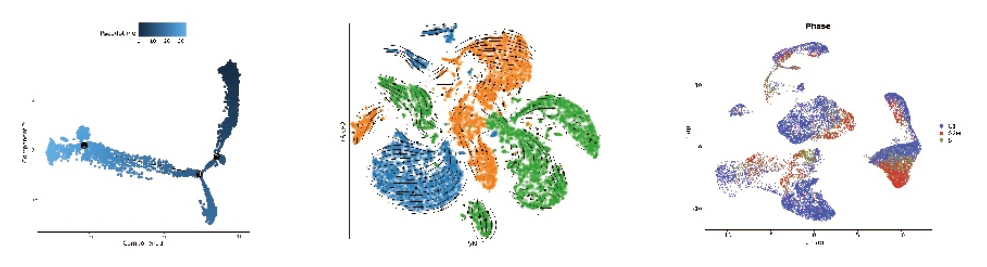
NETWORKS · CANDIDATE MECHANISMS

Connect state differences to candidate regulation.

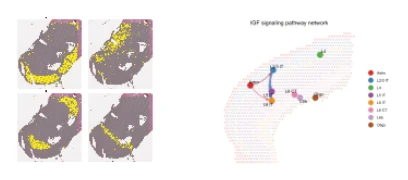
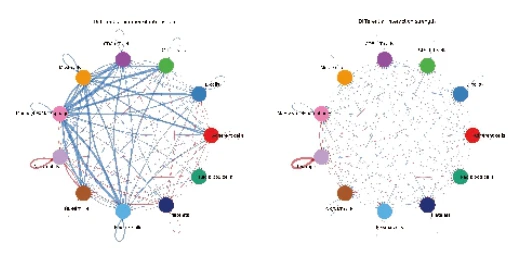
Use cell relationships, communication and regulatory-network analysis to prioritize questions for follow-up mechanistic work.

  • Cell relationships and trajectories
  • Cell communication
  • Regulatory networks and candidate factors
Explore the analysis & application

ANALYSIS DELIVERABLES

Data, figures & interpretation

Select the analysis around your question and agree on deliverables in the study plan.

01

Quality & core outputs

Sample and data QC, annotation notes, core result tables and analysis version information.

02

Figures & focused analyses

Agreed clonal, expression, spatial or network figures, with clear datasets and group definitions.

03

Interpretation & next steps

Interpret results within the study design and discuss validation, cohort expansion and follow-up work.

PLAN YOUR ANALYSIS

Start with the question. Define the analysis.

Bring a sample overview, existing data and research goals to discuss the analysis plan.

Plan a study